Prime Highlights-
- MSRDC plans to convert the Mumbai-Pune Expressway into a 10-lane superhighway to reduce congestion and improve traffic flow on one of Maharashtra’s busiest road corridors.
- The project aims to significantly cut travel time between Mumbai and Pune while easing weekend traffic pressure and improving overall road safety.
Key Facts-
- The project is estimated to cost ₹14,260 crore, and its detailed project report is close to completion before submission for state government approval.
- The widening will cover 67 km of the 94.6 km stretch and will be funded through toll revenue, with a possible extension of toll collection beyond 2045.
Background-
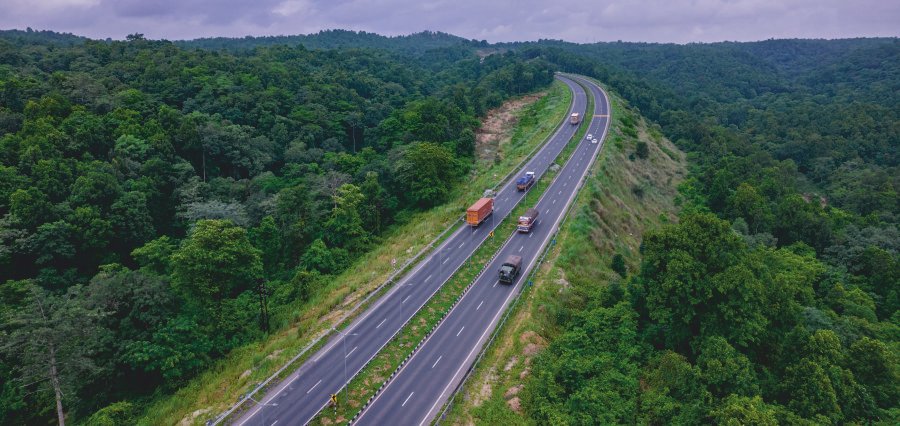
State-run Maharashtra State Road Development Corporation (MSRDC) plans to upgrade the Mumbai-Pune Expressway into a 10-lane superhighway to reduce heavy congestion and improve traffic flow.
The project, estimated at ₹14,260 crore, has its detailed project report nearing completion and will soon be submitted to the state government for approval.
The expressway, operational since 2002, is one of the busiest road corridors in Maharashtra, handling more than 65,000 vehicles on weekdays and crossing one lakh vehicles during weekends, according to officials.
Rising traffic has made expansion necessary to maintain travel efficiency between Mumbai and Pune.
MSRDC has proposed funding the project through toll revenue instead of direct government spending. Officials may also push to extend the toll-collection period beyond 2045 to fund the expansion.
The widening will cover 67 km of the 94.6 km expressway stretch, excluding the 13-km missing link project in the Khandala Ghat section. Land acquisition is likely to be minimal, as MSRDC already owns most of the required land.
The project looks to bring down travel time on the Mumbai-Pune route, ease weekend congestion, and improve road safety. Officials say the upgraded corridor will support growing vehicle numbers and reduce pressure on existing lanes.
The proposal has received a positive response from commuters and political leaders, who see it as a long-pending upgrade for one of the state’s most important transport links. Once approved, the project will move toward implementation in phases after final government clearance.
Authorities expect improved connectivity and reduced congestion benefits for daily commuters and freight movement across the corridor in the region.